Claiming directly or using a solicitor after a whiplash injury
Two paths to a whiplash claim
After a road accident that leaves you with neck pain or stiffness, one decision comes early: do you handle the claim yourself or bring in a solicitor? Both routes are open to you, but they differ in what they demand from you, how the process runs, and what the outcome may look like. Knowing the difference helps you pick the approach that fits your situation.
Whiplash is one of the most common injuries from rear-end collisions. The sudden jolt stretches the soft tissues of the neck, and while many people recover within weeks, some experience longer-lasting discomfort. The question is not whether you feel pain, but how you go about seeking compensation for it. That process involves a whiplash claim assessment, which looks at the injury itself, the circumstances of the accident, and the evidence available.
Claiming directly: what it involves
Some people choose to deal with the other driver's insurer directly. This can feel like the simplest route, especially if the accident was straightforward and liability is not in dispute. You notify the insurer, provide details of the accident, and negotiate a settlement yourself.
The main advantage is that you keep full control. You decide what information to share, when to respond, and whether to accept an offer. There is also no deduction for legal fees, so the full settlement amount comes to you. For minor injuries with clear liability and no complications, this can work fine.
But the direct route has its limits. Insurers handle many claims every day, and their first offer may not reflect the full value of your injury. Without experience in personal injury law, it can be hard to know whether an offer is fair. You also need to gather and present the right evidence, including medical reports, accident reports, and witness statements. If the other party disputes liability or the severity of your injury, the process becomes harder to manage alone.
There is also the claim deadline to consider. In Scotland, you generally have three years from the date of the accident to raise a claim. If you go direct and the process stalls, you could run up against that limit without realising it.
Using a solicitor: what changes
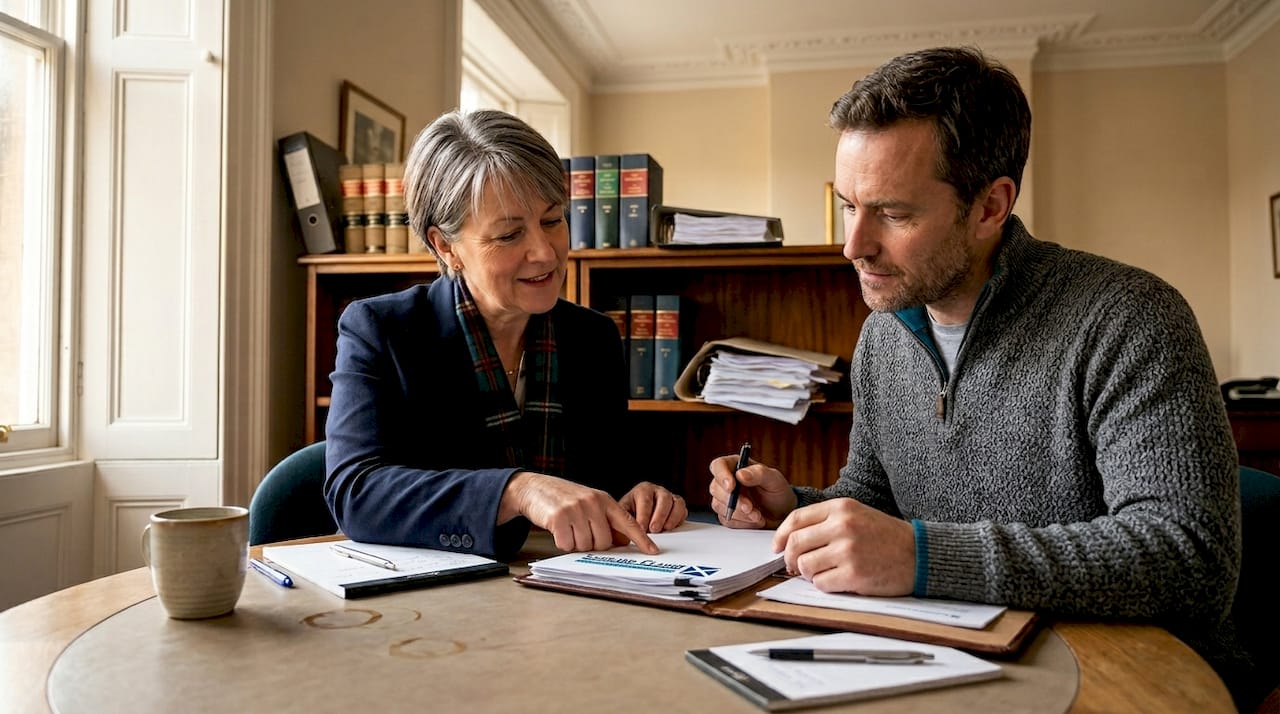
Bringing a solicitor into the picture shifts the responsibility for paperwork, negotiation, and legal strategy to someone who handles these cases regularly. This is especially useful when the claim is not straightforward, such as when liability is disputed or the injury has longer-term effects.
A solicitor will guide you through the whiplash claim assessment, ensuring that the medical evidence is thorough and that the report accurately describes your symptoms and their impact on daily life. They can also help collect photographic evidence of vehicle damage, obtain witness statements, and manage communication with the other side. This reduces the risk of missing something important.
Most solicitors who work in this area offer a no win no fee arrangement. That means you do not pay legal fees unless your claim succeeds. The fee is usually taken as a percentage of the compensation, so there is no upfront cost. This makes legal representation accessible even when money is tight.
The downside is that you pay for that support. The solicitor's fee comes out of the settlement, so you receive less than the full amount awarded. However, the aim is that the solicitor secures a higher settlement than you would get alone, so the net amount in your pocket can still be larger.
When each option makes sense
Going direct can work well when the accident is minor, liability is clear, and you are confident dealing with paperwork. If the other driver admits fault straight away and your injury heals quickly, the claim may settle without much back and forth. In those cases, the direct route saves you the solicitor's fee and gets you compensation faster.
Using a solicitor becomes more valuable when the claim is more complex. If liability is disputed, for example, you may need to prove that the other driver was at fault. That can involve gathering evidence, reconstructing the accident, and possibly going to court. A solicitor has the experience to handle that. Similarly, if your injury takes longer to heal or has lasting effects, a solicitor can make sure the medical evidence reflects the full extent of your condition.
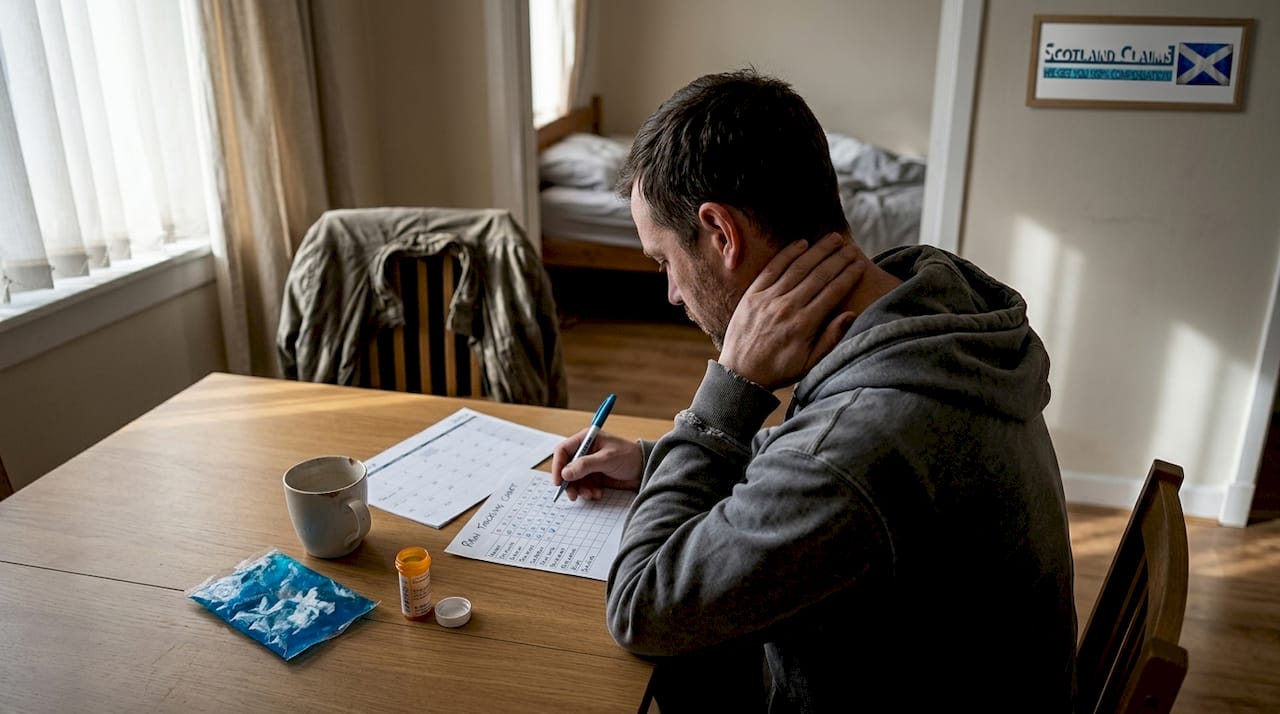
Another factor is your own comfort with the process. Some people find dealing with insurers stressful, especially while recovering from an injury. A solicitor can act as a buffer, handling the calls and letters so you can focus on getting better. If you feel unsure about what to say or what documents to keep, a solicitor provides a safety net.
There is also the question of timing. A solicitor can help avoid delays and ensure you meet the claim deadline. If you have already started the direct route and the process is dragging, you can still instruct a solicitor later. The key is not to leave it too late.
What the whiplash claim assessment looks for
Whether you go direct or use a solicitor, the whiplash claim assessment follows a similar structure. It starts with the medical evidence. A doctor or physiotherapist will examine you, note your symptoms, and give a prognosis. This report is central to the claim because it establishes the injury and its severity.
Alongside the medical report, the assessment considers the circumstances of the accident. The police accident report, if one was made, can provide an independent account. Photographic evidence of the vehicles and the scene helps show the force of the impact. Witness statements from other drivers or pedestrians can support your version of events.
Liability is another key part of the assessment. The other driver's insurer will look at whether their policyholder was at fault. If liability is accepted, the claim moves to valuation. If not, the assessment becomes about proving fault, which may require more evidence and possibly legal argument.
One element that many people do not consider is the impact of the injury on daily life. Whiplash can make it hard to work, sleep, or carry out simple tasks. The assessment takes this into account when calculating compensation. A solicitor can help make sure these effects are documented and presented clearly.
Making your choice
There is no single right answer. The best route depends on the details of your accident, the severity of your injury, and your own preferences. If the accident was minor and liability is clear, going direct may be enough. If there is any doubt about fault, or if your injury is more than a few weeks of stiffness, a solicitor's involvement can make a real difference.

For many people, the reassurance of having someone experienced on their side outweighs the cost. A solicitor can help after a road accident by managing the legal side while you recover. That peace of mind matters, especially when you are already dealing with pain and disruption.
Whichever path you choose, the key is to act promptly. Gather evidence while it is fresh, get medical attention early, and keep records of everything related to the accident. The sooner you start, the smoother the process tends to be.
The whiplash claim assessment is the foundation of any claim. Whether you handle it yourself or with professional help, understanding what it involves puts you in a stronger position. And if you ever feel out of your depth, a solicitor can step in, even partway through the process. The most important thing is not to let uncertainty delay you. A solicitor can help after a road accident, but only if you reach out in time.